
Last updated November 2, 2026
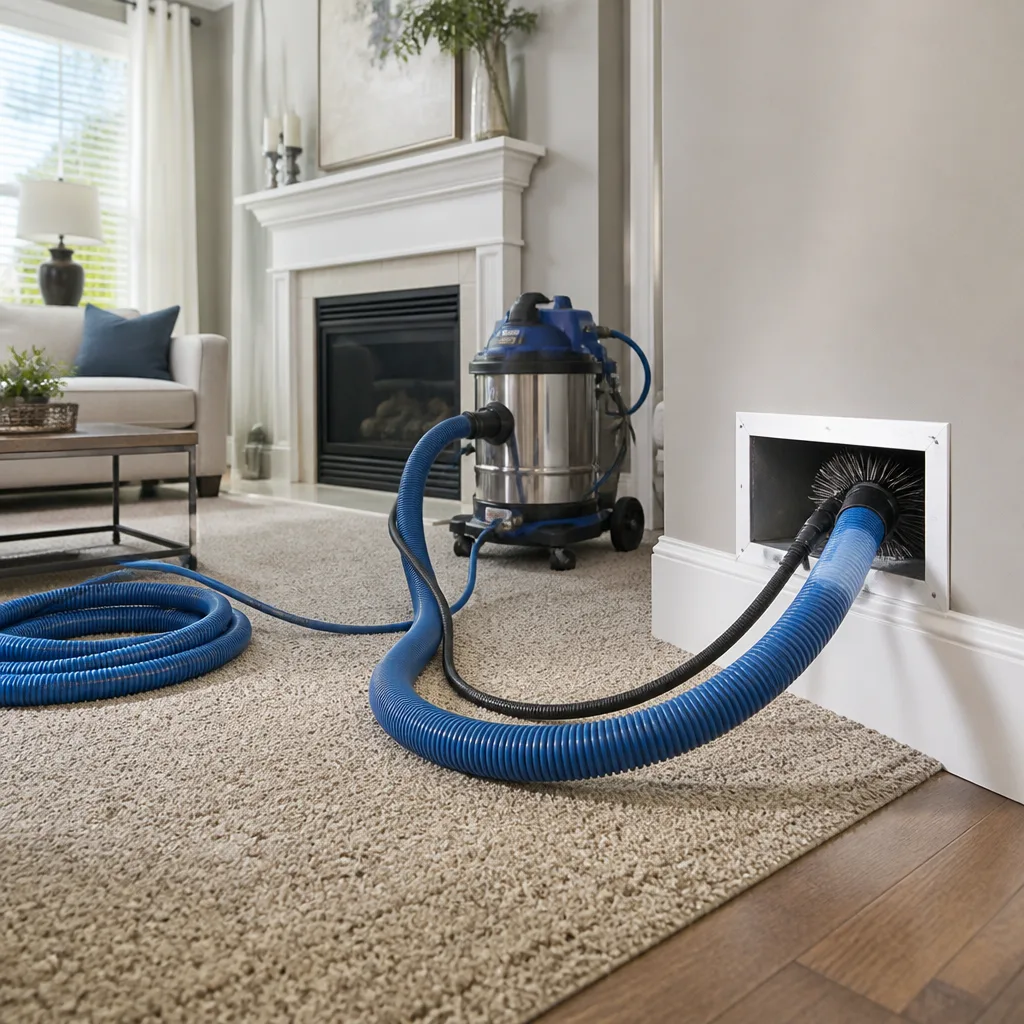 Whole-home duct cleaning
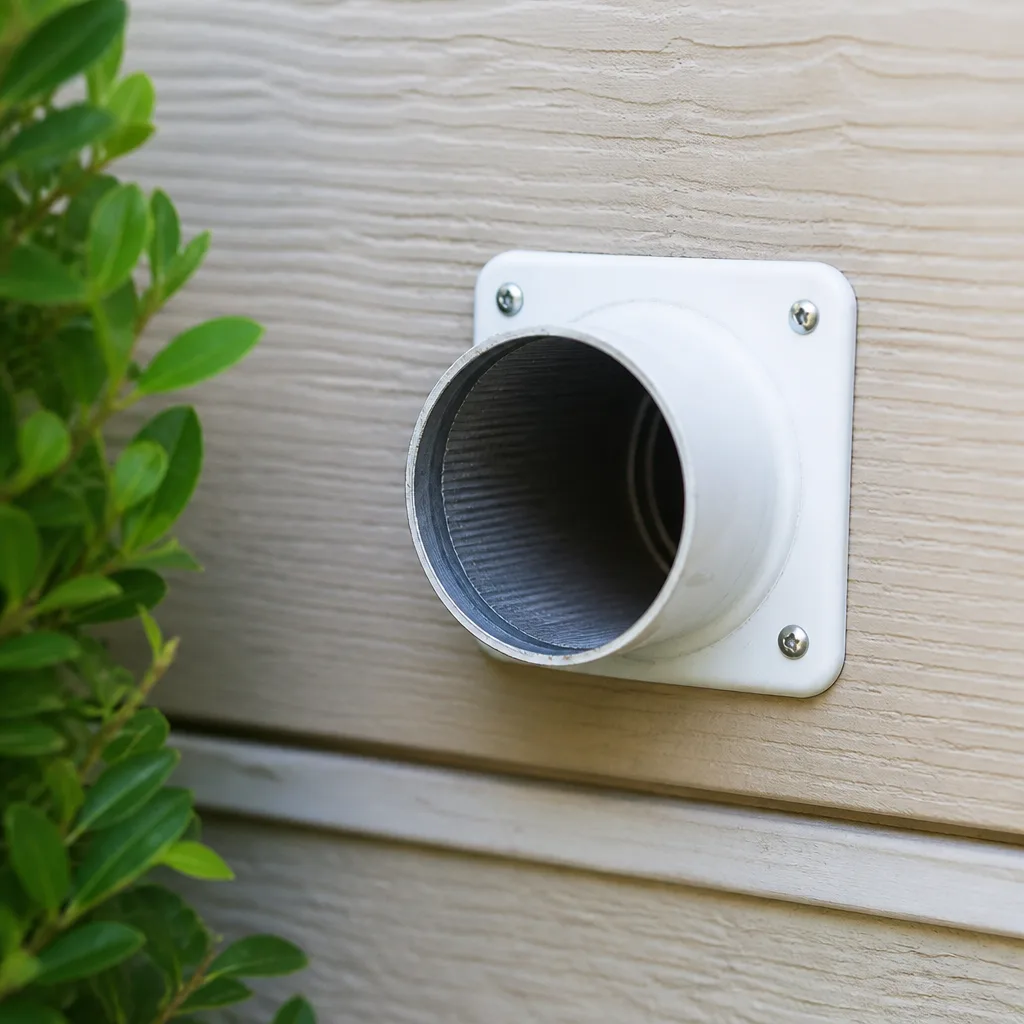 Dryer vent cleaning
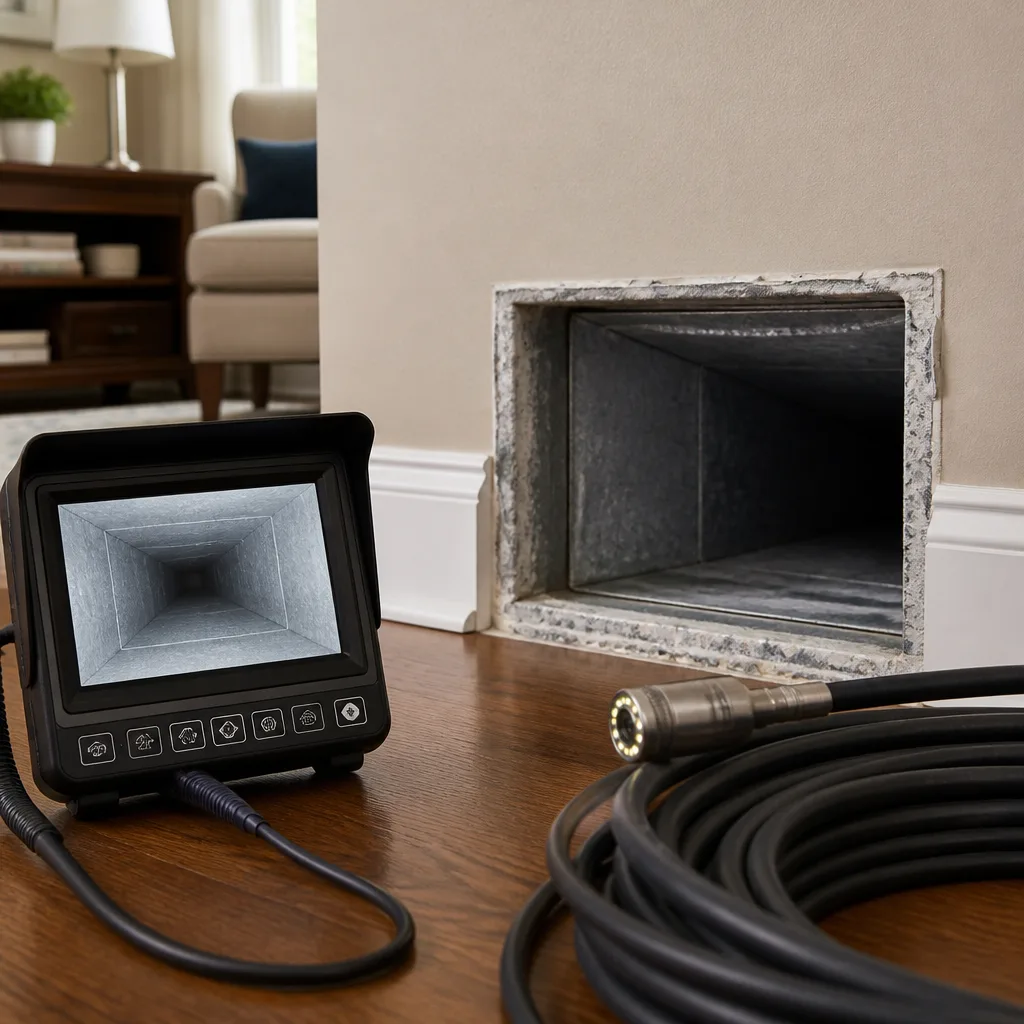 Camera inspection
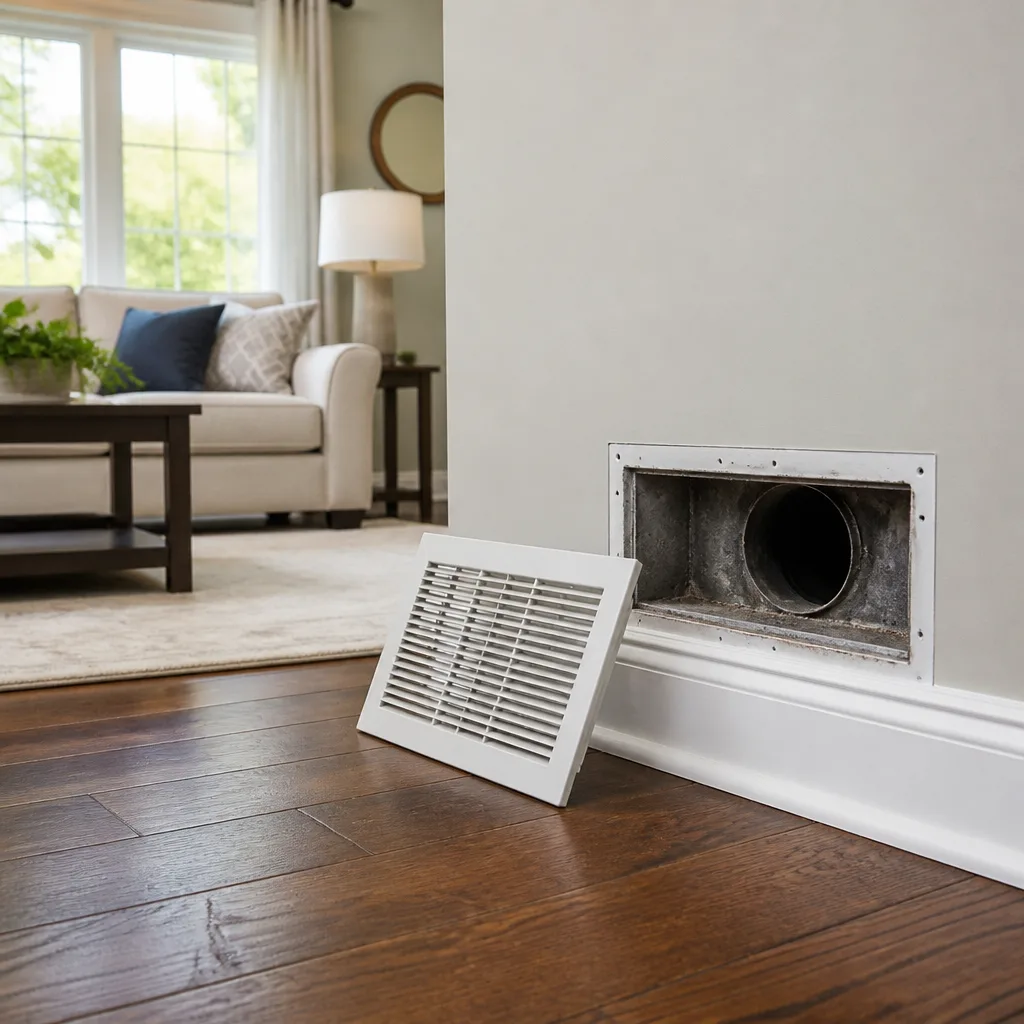 Sanitizing & deodorizing
Whole-system duct and dryer vent check with before-and-after photos - you see exactly what came out of your vents
That "$99 whole-house special" is a bait ad - the real number appears once they are in your hallway, or the "clean" is a shop-vac at the register. We photograph the inside of your ducts before and after instead.
Air Duct Cleaning Maintenance Checklist for Lake Elsinore Homeowners
The most useful thing a maintenance checklist can do is tell you when not to wait for your next scheduled service, and most checklists skip exactly that. In Lake Elsinore, where dust from the Ortega foothills, the 15 freeway corridor, and seasonal Santa Ana winds all converge inside your ductwork, a generic monthly reminder to “check your filter” falls short. What you’ll get here is a structured observation system designed around what your home’s air system actually goes through in this valley, so you can catch the early signs of contamination, leakage, and restricted airflow before they turn into a bigger problem.
This guide covers monthly, quarterly, and seasonal inspection tasks specific to Lake Elsinore’s climate and dust load, the difference between a filter change and a full air duct cleaning in Lake Elsinore, and how to document what you find so you can have an informed conversation with any contractor rather than relying only on their word.
Quick Answer
An effective air duct maintenance checklist for Lake Elsinore homeowners combines monthly filter inspection, quarterly visual checks at supply and return grilles, and event-driven inspections after heavy wind events, wildfire smoke, or home construction. The most important discipline isn’t cleaning on a schedule – it’s learning to recognize when your system is telling you that something is wrong inside the duct trunk.
Styles & brands we work with
- Whole-home duct cleaning
- Dryer vent cleaning
- Camera inspection
- Sanitizing & deodorizing
Table of Contents
- Monthly Filter Inspection: Calibrating to Lake Elsinore Dust, Not Manufacturer Defaults
- Quarterly Visual Checks: What Grilles Tell You About What’s Inside
- Seasonal Triggers: Santa Ana, Smoke, and Construction Dust Protocols
- What a Filter Change Does and Does Not Do
- Documenting System Condition: A Simple Log That Gives You Leverage
- Signs You Should Not Wait for Your Next Scheduled Service
- What Professional Equipment Actually Does: Rotobrush, Nikro, and HEPA Extraction
- Dryer Vent Cleaning Belongs on the Same Checklist
Monthly Filter Inspection: Calibrating to Lake Elsinore Dust, Not Manufacturer Defaults
Most filter packaging says “replace every 90 days.” That number wasn’t written for homes in the Elsinore Valley. Between the dry, wind-prone conditions around Summerly and Tuscany Hills and the fine particulate that drifts down from the Cleveland National Forest fire zones, a filter that might last three months in a coastal city can load up in five or six weeks here. The fix isn’t to replace on a rigid schedule. It’s to check with your eyes and your hands.
Step 1: Turn the system off at the thermostat, not just down. You want the blower stopped so the filter doesn’t fight you coming out.
Step 2: Pull the filter and hold it up to a light source. If you can’t see the structure of the filter media through it, it’s loaded regardless of how many days it’s been in place.
Step 3: Run two fingers across the surface facing the return grille. If it feels gritty or you see a visible gray-brown matting, that’s Lake Elsinore’s dust load announcing itself.
Step 4: Note the thickness of the debris layer. If it’s thicker than a credit card’s edge, replace it now. If it’s coating the filter’s pleats so they’re no longer distinct, replace it now.
One thing we’ve seen repeatedly in homes around Canyon Hills and the hillside neighborhoods: filters choking with fine reddish-tan dust after just one Santa Ana event. That dust is abrasive. Letting it sit against the blower motor intake forces the system to work harder and pulls more of that particulate into the cabinet, where it becomes a permanent resident. The monthly check is not about convenience. It’s about not letting a two-dollar filter problem become a several-hundred-dollar blower problem.
Quarterly Visual Checks: What Grilles Tell You About What’s Inside
Every three months, take ten minutes and walk the house with a flashlight and your phone camera. What you’re looking for at each supply and return grille is evidence of what’s happening deeper in the trunk line. Your ductwork is closed. You can’t see inside it. But the registers tell you plenty if you know what to inspect.
Here’s the quarterly checklist, in order:
- Inspect every supply register for dust streaking. Look at the wall or ceiling immediately around the register opening. Visible gray or tan streaks radiating outward indicate particles are being blown out of the duct, not just circulating in the room.
- Remove two or three supply registers – not just the ones in the main rooms. Reach in with your phone’s camera flash and take a photo as far down the boot as you can. A thin gray coating on the boot walls is normal. A thick, fuzzy, or caked layer is not.
- Check the return grille for fiber accumulation. Return grilles pull air toward the filter. If you see lint, pet hair, or dust caked on the return grille vanes, that material is bypassing the grille and entering the return plenum.
- Listen to the register. With the system running, put your ear near each supply register. Airflow should be a low, steady rush. A whistling or high-pitched noise means the register is restricted or the duct run is obstructed.
- Compare airflow between rooms. In homes we’ve serviced around the Lake Elsinore hillsides, second-story bedrooms often develop noticeably weaker flow than first-floor rooms. This can signal a disconnected or crushed flex duct, not just a dirty one.
These quarterly checks are how homeowners in Lake Elsinore catch duct problems before a full cleaning or air duct repair in Lake Elsinore becomes urgent. The grilles are the visible edge of an invisible system. Train yourself to read them.
Seasonal Triggers: Santa Ana, Smoke, and Construction Dust Protocols
Lake Elsinore’s seasonal rhythm doesn’t match a standard maintenance calendar. The valley’s dominant weather patterns create three distinct triggers that should prompt an immediate check, not a wait-and-see.
Post-Santa Ana Event Inspection
Santa Ana winds push fine dust and particulate from the inland valleys toward the coast, and Lake Elsinore sits directly in that corridor. After any Santa Ana event where you noticed dust in the air, visible grit on outdoor surfaces, or a red-flag fire warning, follow this protocol:
- Check the filter within 24 hours, even if you checked it the week before.
- Look at the exterior of your outdoor condenser unit. If the coil fins are caked with wind-blown debris, airflow across the coil is compromised, which forces the entire system to work harder.
- Walk the house and note any room that smells musty or earthy when the system cycles. Wind-driven dust often carries organic material that, once inside a duct, can support microbial growth in the presence of humidity.
Post-Wildfire Smoke Advisory Protocol
When smoke from Cleaveland National Forest fires or any regional wildfire settles into the Lake Elsinore basin, the air inside your home becomes tied to the air outside, because your HVAC system pulls from both. After any smoke advisory, follow these steps:
- Document the filter. Take a photo of it before you remove it. A filter that’s turned gray, brown, or black after a smoke event means the system pulled combustion particulates through the return side.
- Inspect the return plenum. If smoke was heavy, the interior surfaces near the filter may show a fine dark coating. That’s what got past the filter before it loaded up.
- Consider a professional inspection. Smoke particulate is extremely fine and doesn’t behave like household dust. It coats, it doesn’t just collect. If you can smell smoke when the system runs two weeks after the event, that odor is embedded in the duct lining or the blower wheel. A standard filter change won’t remove it.
Post-Construction Check
Lake Elsinore has active development across the valley, and if you live near new construction – whether it’s a new subdivision going in near the 74 corridor or neighbor renovations – your system is pulling construction dust whenever it runs. Drywall dust, concrete fines, and sawdust are all heavier than household dust and settle quickly inside ductwork. After any renovation in your home or significant construction nearby, do a full quarterly-style check immediately, regardless of when you last did one.
What a Filter Change Does and Does Not Do
There’s a persistent assumption that a clean filter means clean ducts. It doesn’t. The filter’s entire job is to protect the equipment – the blower, the coil, the heat exchanger. It is not designed to protect your air quality. Here’s the distinction that matters for Lake Elsinore homeowners:
What a filter change does: It protects the system from the largest particles in the return air stream. A new filter restores airflow across the coil and keeps the blower from overworking. That’s real, and it matters for system longevity.
What a filter change does not do: It does not remove material already deposited on the interior surfaces of the duct trunk, the supply boots, the return plenum, or the blower wheel. That material stays exactly where it settled, and every time the system cycles, fan turbulence re-entrains some portion of it back into the air your family breathes.
Think of it this way: your filter is a screen door. It keeps out what hasn’t gotten in yet. It does nothing for what’s already in the house. In Lake Elsinore, where dust, pet dander, and construction particulate accumulate in ducts over years, the difference between a filter change and a real contact cleaning is the difference between maintenance and remediation.
This is why professional duct cleaning in Lake Elsinore homes uses rotary contact-cleaning systems like Rotobrush that physically dislodge debris from duct walls. Air-only or vacuum-only methods leave that bonded material behind. The filter has already done all the air-only work you need. What comes after requires mechanical action.
Documenting System Condition: A Simple Log That Gives You Leverage
Here’s something most maintenance guides won’t tell you: your documentation is leverage. When you call a contractor for duct cleaning or repair, the conversation should not be one-directional, with the professional assessing and you listening. The homeowner who has records can ask better questions and confirm or challenge what they’re told.
Build a simple log. It doesn’t need to be elaborate. A notes app, a dated folder of photos, or a one-page spreadsheet all work. What to record:
- Filter change dates and condition. Note when you changed it and what it looked like – color, dust thickness, whether you could see through it. This tells you if your dust load is changing over time.
- Photo log of register interiors. Take photos on the same schedule every quarter. Same angle, same register. Comparing quarter-over-quarter photos is the most reliable way to detect a slow decline that you wouldn’t notice day to day.
- Airflow observations. Note any room that consistently feels stuffy or warmer than others. Note the date, the room, and the outdoor temperature. Patterns emerge only when you record them.
- Odor events. If you smell anything when the system starts – musty, smoky, chemical – write down the date, the duration, and the weather conditions. Odors that come and go with system cycles are diagnostic information.
When you call a professional in Lake Elsinore with this log in hand, you can say: “Here’s what the east-facing bedroom register looked like in March, here’s what it looks like in September.” That’s a specific, evidence-based conversation, and it makes it far harder for anyone to sell you a service you don’t need or to miss a problem you do.
Signs You Should Not Wait for Your Next Scheduled Service
The checklist above covers routine monitoring. But there are conditions that should skip the schedule entirely. If you see any of these, the next step is a professional inspection, not a calendar reminder.
- Visible mold on any register, grille, or duct surface. If you can see it, there’s more where it came from. Do not disturb it. Call for an inspection.
- Dark, greasy particulate on the supply registers. This isn’t household dust. It’s often soot from a combustion source or degraded insulation inside the duct. It needs professional evaluation.
- A sudden drop in airflow in one room. Airflow changes that happen suddenly – not gradually over months – usually mean a mechanical problem: a disconnected duct, a collapsed flex run, or a damper failure.
- Sounds you haven’t heard before. Rattling, flapping, or a booming sound when the blower starts. These indicate something loose in the duct system.
- Dust returning within days of cleaning surfaces. If you wipe a surface and it’s coated again within 48 hours while the system runs, the source is the duct, not the room.
- Energy bills climbing without a change in usage. A 15-20% increase with no change in thermostat behavior or outdoor conditions often signals a system restriction. Dirty coils, blocked returns, and crushed ducts all raise operating costs.
None of these are normal maintenance items. They’re failure signals. And in our experience serving homes throughout Lake Elsinore, the ones that get addressed early are the ones that stay inexpensive.
What Professional Equipment Actually Does: Rotobrush, Nikro, and HEPA Extraction
When you do call a professional for Air Duct Cleaning services, the difference between one Lake Elsinore duct cleaning company and another comes down to method. It’s not a question of “cleaning vs. not cleaning.” It’s a question of what’s physically removed and what’s captured.
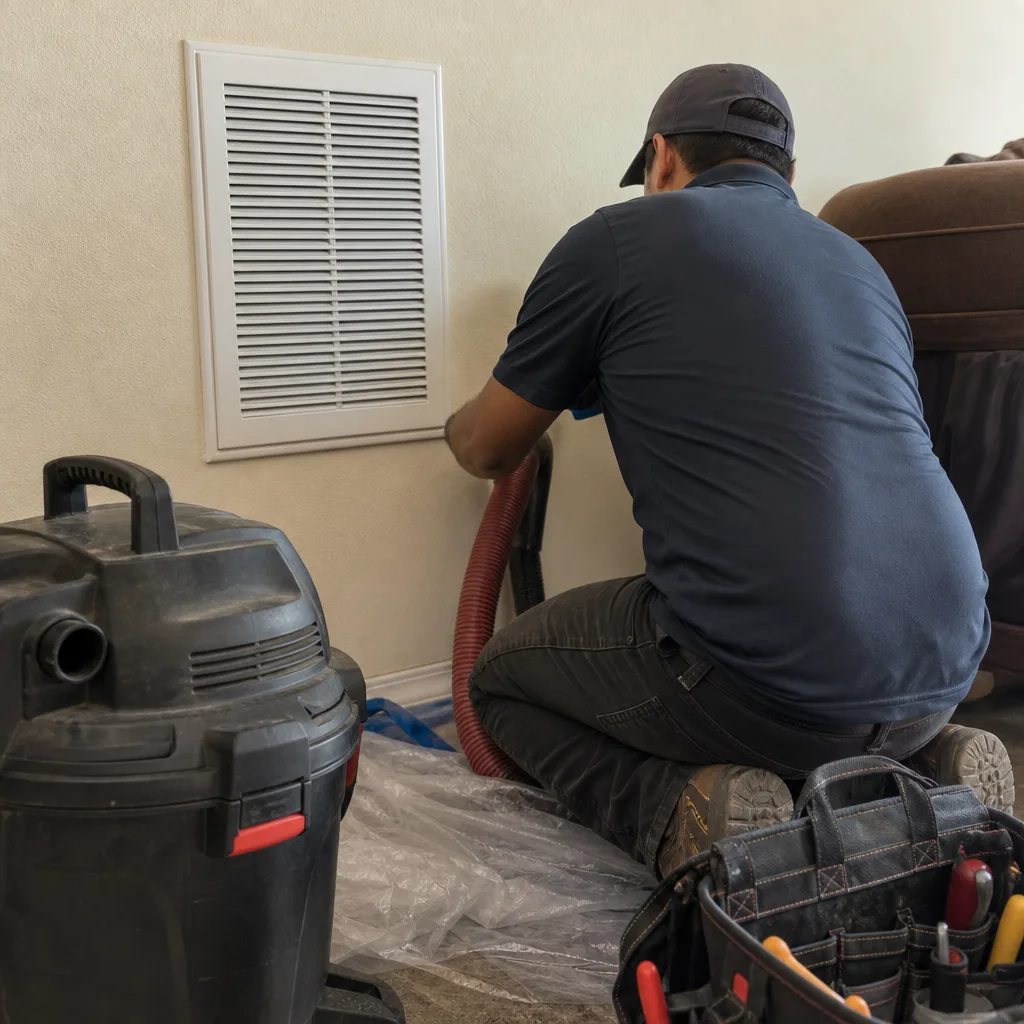
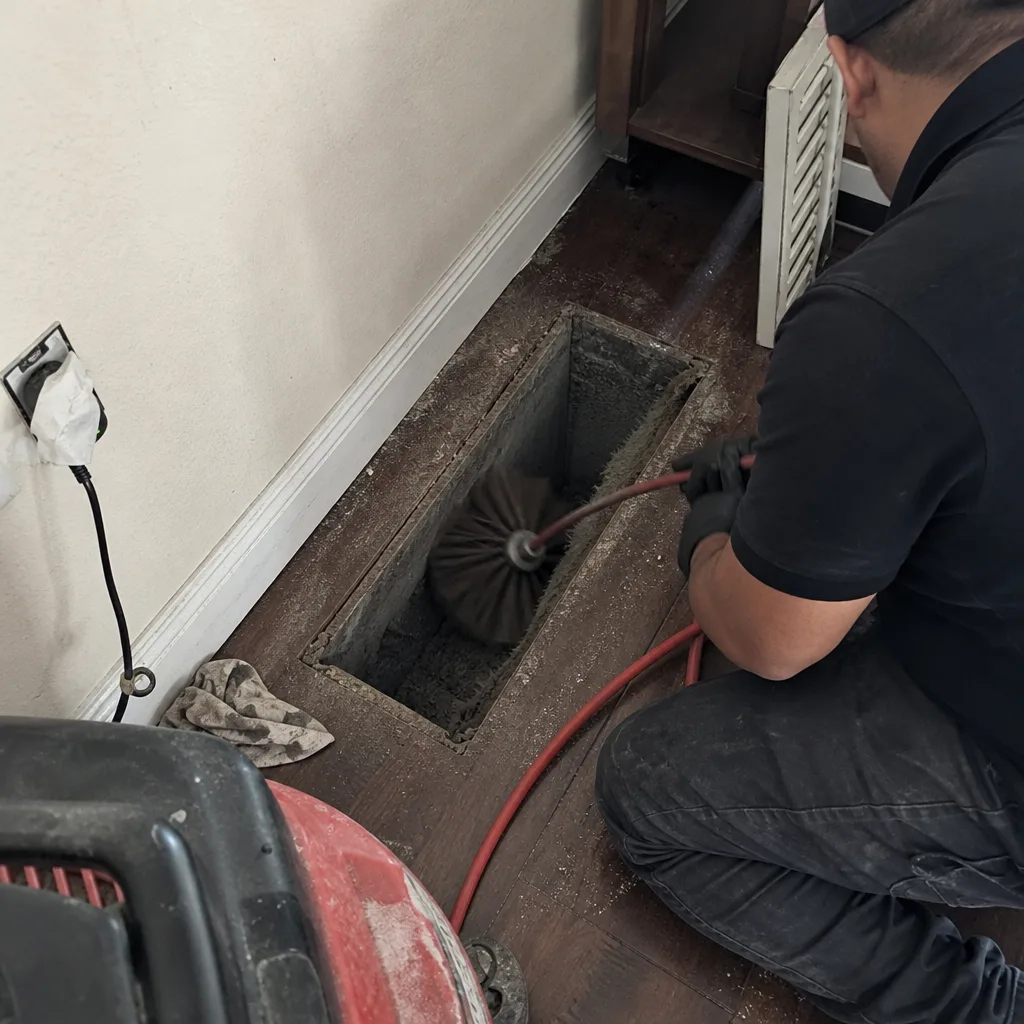
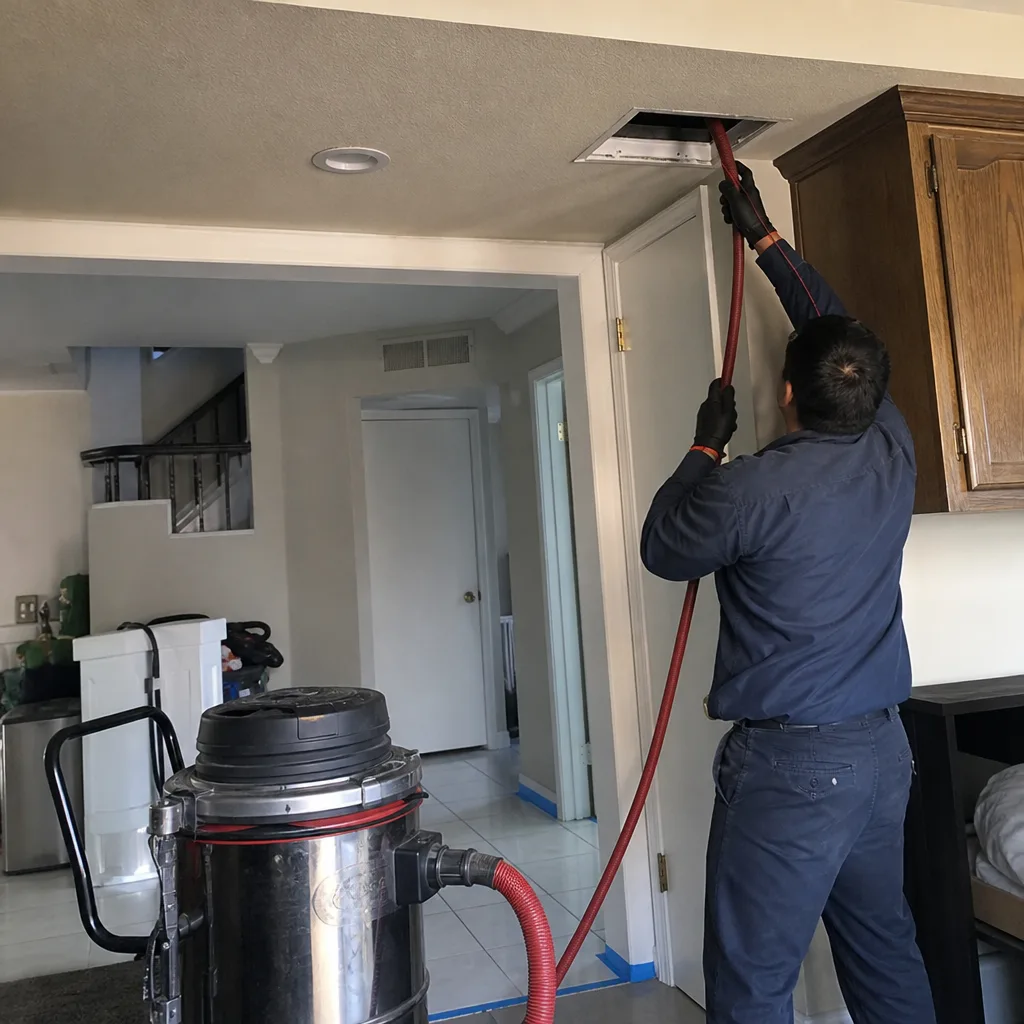
Rotobrush rotary contact-cleaning uses mechanical agitation to dislodge debris that air pressure alone can’t move. Dust that’s bonded to duct walls through years of humidity cycles in the Elsinore Valley needs physical contact to separate. Air-only methods leave that material in place. Contact cleaning removes it.
Nikro and Abatement Technologies HEPA extraction equipment captures what the contact cleaning dislodges. These are the same HEPA-grade extraction systems used in professional remediation environments, applied to residential ductwork. The distinction matters because without proper extraction, cleaning just redistributes debris from the duct into the living space. HEPA extraction means contaminants are captured, not just disturbed.
This is the part of the process where the homeowner gets what they actually paid for. You can’t see inside the trunk line, so trust has to rest on equipment class and extraction capability. If you’re evaluating a duct cleaning company in Lake Elsinore, ask what they use for agitation and what they use for extraction. If they can’t name the equipment, that’s an answer in itself.
Dryer Vent Cleaning Belongs on the Same Checklist
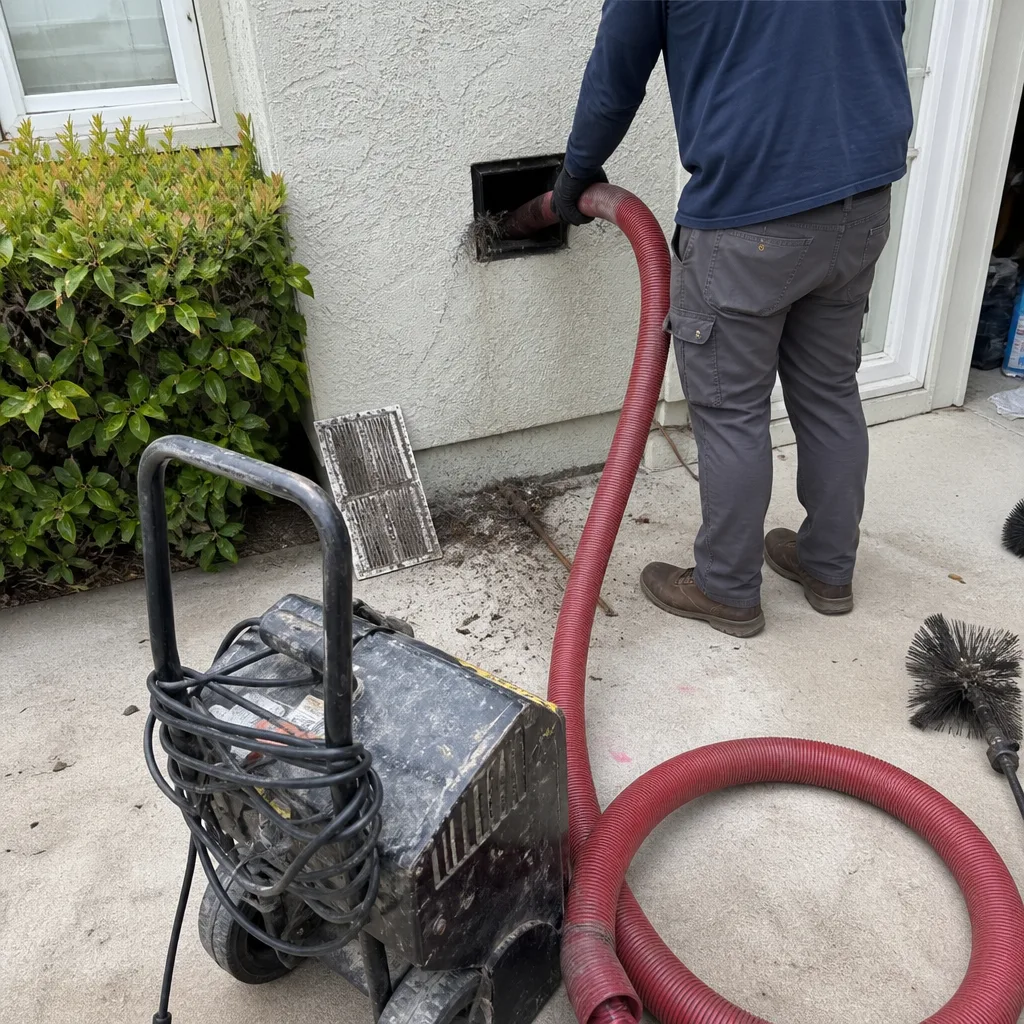
Your dryer vent is part of the same exhaust ecosystem, and it deserves the same attention as your HVAC ducts. In Lake Elsinore, where the dry air and native vegetation create fire-prone conditions, lint accumulation in a dryer vent is not a housekeeping issue. It’s a fire-safety issue.
Lint is highly combustible, and the National Fire Protection Association points to dryers as a leading cause of residential fires annually. The vent behind your dryer exits the house somewhere – usually a side wall or roof – and every foot of that run is a place where lint can accumulate, especially where the flex connector meets the rigid pipe or where the duct elbows.
Add these dryer vent items to your checklist:
- Monthly: Clean the lint trap before every load. This isn’t maintenance, it’s baseline. But also note how much lint you’re seeing. A sudden increase in lint on the trap can indicate a building restriction downstream.
- Quarterly: Check the exterior vent hood while the dryer runs. The flap should open fully and air should exit forcefully. A weak, fluttering flap means restriction somewhere in the run.
- Annually or sooner: Have the vent professionally cleaned. A dedicated dryer vent cleaning in Lake Elsinore removes the accumulation you can’t reach from either end. This isn’t optional maintenance. It’s fire prevention.
Common Mistakes to Avoid
- Replacing the filter on the manufacturer’s schedule. Lake Elsinore’s dust load is heavier than what filter makers assume. If 90 days is the default, you’re likely running a loaded filter for weeks at the end of each cycle. Check monthly and replace based on condition, not a calendar.
- Assuming a good filter means clean ducts. The filter protects equipment, not air quality. A spotless filter says nothing about what’s inside the trunk line. You could have years of accumulated dust, pet dander, and construction particulate behind spotless-looking registers.
- Ignoring weaker airflow in one room. Homeowners frequently adapt to reduced airflow as “just how that room is.” But airflow that changed is a diagnostic, not a personality trait. A kinked flex duct or disconnected boot won’t fix itself, and it gets more expensive the longer it runs.
- Skipping post-Santa Ana checks. The wind events in the Elsinore Valley carry a specific fine particulate that loads filters and coats duct surfaces quickly. Treat every Santa Ana event as a filter-check trigger, even if you just changed it.
- Using fiberglass filters and assuming they’re adequate. A one-dollar fiberglass filter protects the blower from large debris and little else. In a valley with Lake Elsinore’s particulate load, a pleated filter with a MERV rating appropriate to your system does materially more work.
- Relying on air-only duct cleaning. Air pressure alone cannot remove debris bonded to duct surfaces. If you’re paying for cleaning, make sure the method includes mechanical contact agitation and HEPA-grade extraction, not just a blower and a nebulous promise.
- Treating the dryer vent as a separate, optional item. The exhaust that carries lint out of your home is downstream of every load you run. Ignoring it because it’s not in the living space is exactly how restrictions build to the point of danger.
See the difference
 Before
 After
 Before
 After
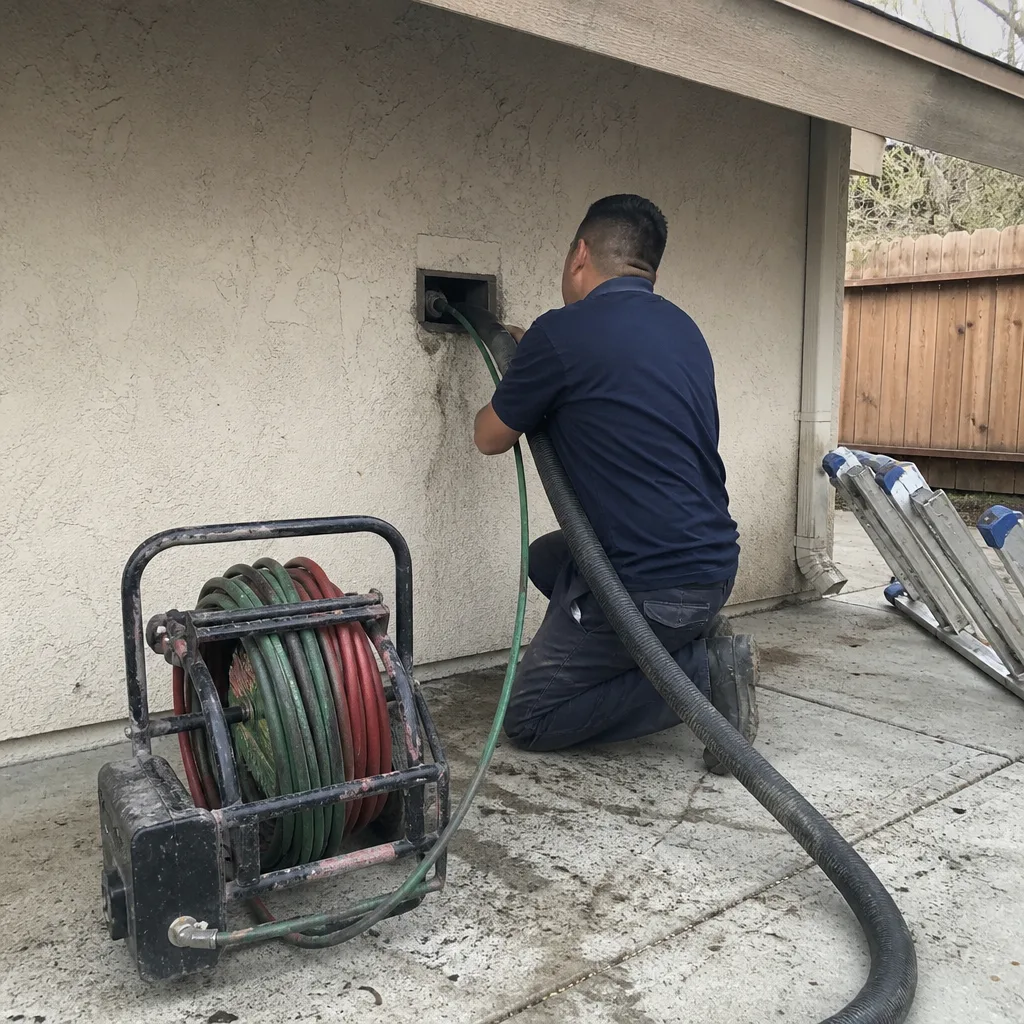 Before
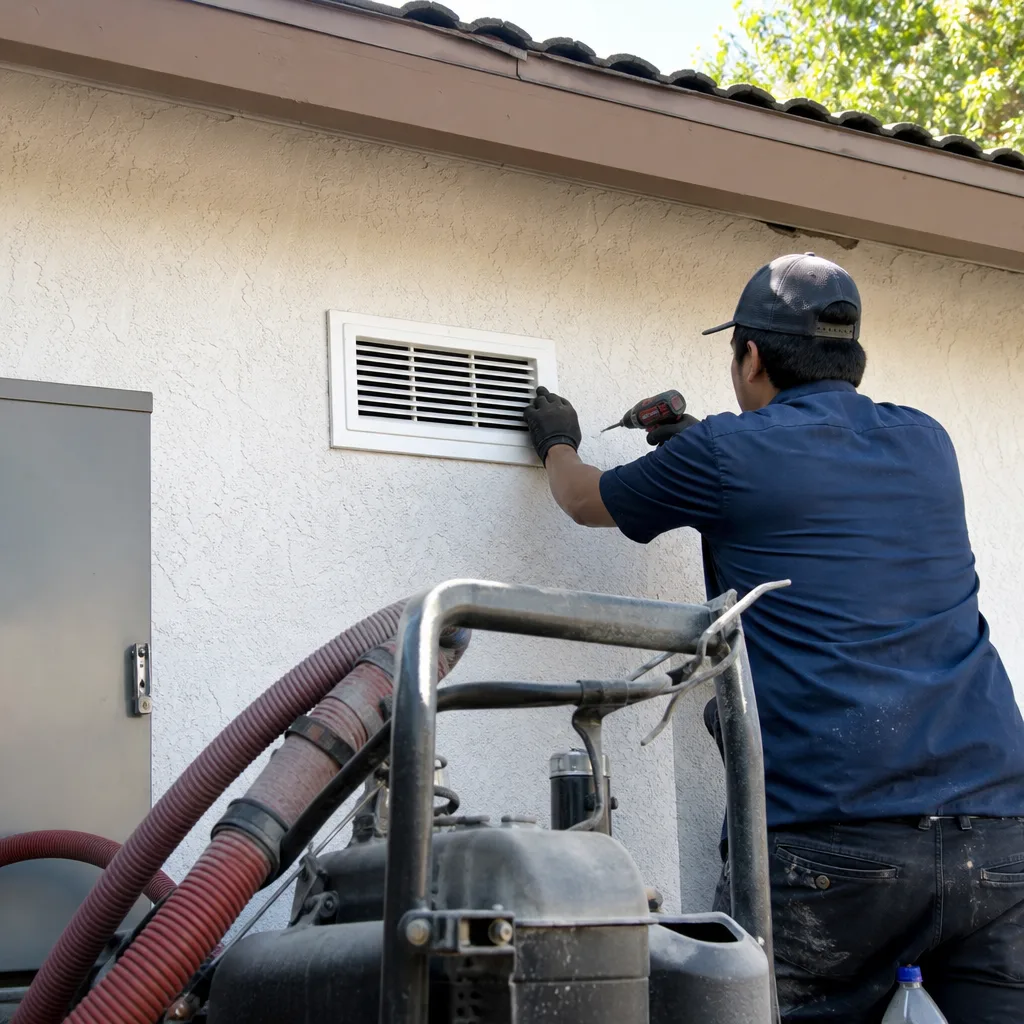 After
When to Call a Professional
Call a professional when your observations on the checklist show something you can’t resolve from the register: visible mold, persistent smoky or musty odor, sudden airflow loss, or debris accumulation you can see reaching down into the boot. These are conditions that need contact cleaning with HEPA extraction, not a filter change and not a wait-and-see approach. Duct Cleaning Lake Elsinore offers free estimates in Lake Elsinore – call (855) 341-9943 and describe what you’re seeing. If the problem is mechanical, air duct repair in Lake Elsinore can be addressed on the same visit, because we repair what we find – no second appointment, no separate contractor.
Frequently Asked Questions
Most homes in Lake Elsinore benefit from professional duct cleaning every 3 to 5 years, but the honest answer is that your observational checklist should drive the schedule. For more detail, see our guide on Air Duct Cleaning Permits, Codes & Inspections in CA: What You Need to Know. Homes near construction, homes with multiple pets, homes where Santa Ana events hit hard, and homes with allergy sufferers or recent renovation history may need cleaning sooner. Your documentation tells you when you’re overdue. Call (855) 341-9943 for a free estimate if your checklist has turned up visible accumulation or unexplained odors.
The gap in duct cleaning prices almost always comes down to equipment and method. Air-only or vacuum-only services cost less because they do less – they don’t remove debris bonded to duct walls. Contact cleaning with Rotobrush-style rotary agitation and Nikro or Abatement Technologies HEPA extraction costs more for the same reason your dentist doesn’t just rinse your teeth. If a Lake Elsinore duct cleaning quote seems too low, ask what equipment they’ll be using for agitation and extraction. The answer will tell you what you’re actually buying.
Inspect the registers after the service. A real contact cleaning leaves clean boots, clean grille backs, and a notable difference in the photo log you’ve been keeping. You should see no dust streaking around registers and no debris reachable from the register openings. Before-and-after photos of your own ducts, taken by the technician during the service, are also a standard part of any professional job. If a company won’t show you what they did, that’s a problem.
It can, when it removes the reservoir of dust, pollen, pet dander, and particulate that re-entrains into living-space air every time your blower cycles. For homeowners in Lake Elsinore with allergy or asthma concerns, ducts that have accumulated years of fine particulate function as a slow-release source of respiratory irritants. A filter can’t remove that material. Contact cleaning with HEPA extraction does.
A higher MERV rating means the filter captures smaller particles. MERV 8 catches dust, pollen, and pet dander at modest efficiency. MERV 11 or MERV 13 catches finer particles, including smoke particulate – relevant in Lake Elsinore during fire season. The caveat is airflow: higher MERV filters are more restrictive, and not every system is designed to run them. If your blower is already marginal, a very high-MERV filter can reduce airflow and raise operating costs. This is the kind of question a knowledgeable professional should answer for your specific system.
You can maintain registers, replace filters, and keep return grilles clear, but actual duct cleaning requires equipment that reaches the full length of the trunk line and captures what it dislodges. Household vacuums and hardware-store brushes can’t reach past the first few feet of the boot, and agitating dust without proper extraction can make indoor air quality worse, not better. The professional method uses rotary agitation plus HEPA extraction for a reason. This is one of those tasks where having the right equipment is the entire job.
The Bottom Line
A Lake Elsinore air duct maintenance checklist is a set of observation habits, not a task list. Check filters monthly by condition, not calendar. Inspect registers quarterly with a light and a camera. Treat Santa Ana events, smoke advisories, and construction activity as immediate triggers. Log what you find, because documentation changes the conversation you have with any contractor. And when the checklist shows you something you can’t fix from the register – visible accumulation, odors, airflow loss – call a professional who uses contact cleaning with HEPA-grade extraction, because that’s the only method that actually removes what the filter never could. For a free estimate, reach Duct Cleaning Lake Elsinore home service at (855) 341-9943.
Written by the team at Duct Cleaning Lake Elsinore, serving Lake Elsinore since 2014. Explore more guides & resources on keeping your home’s air system healthy.