
Last updated November 2, 2026
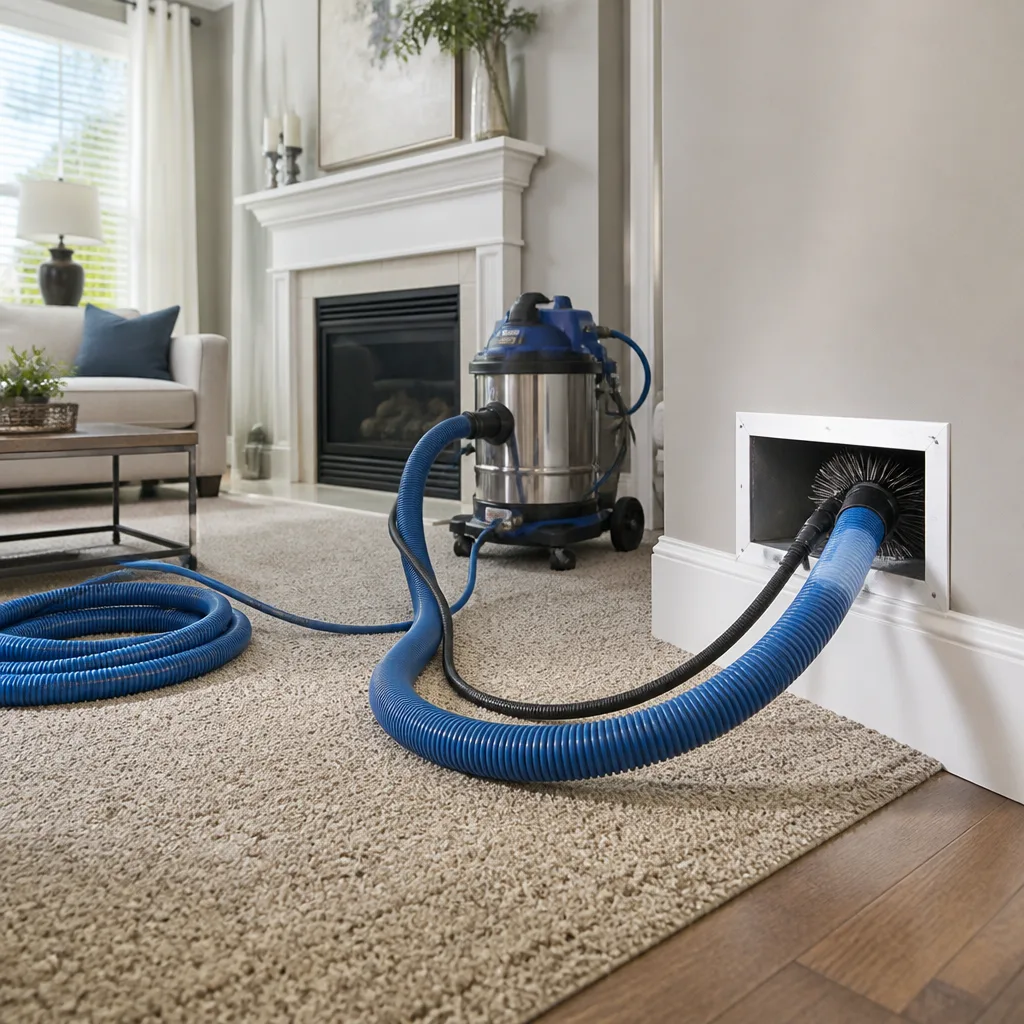 Whole-home duct cleaning
 Dryer vent cleaning
 Camera inspection
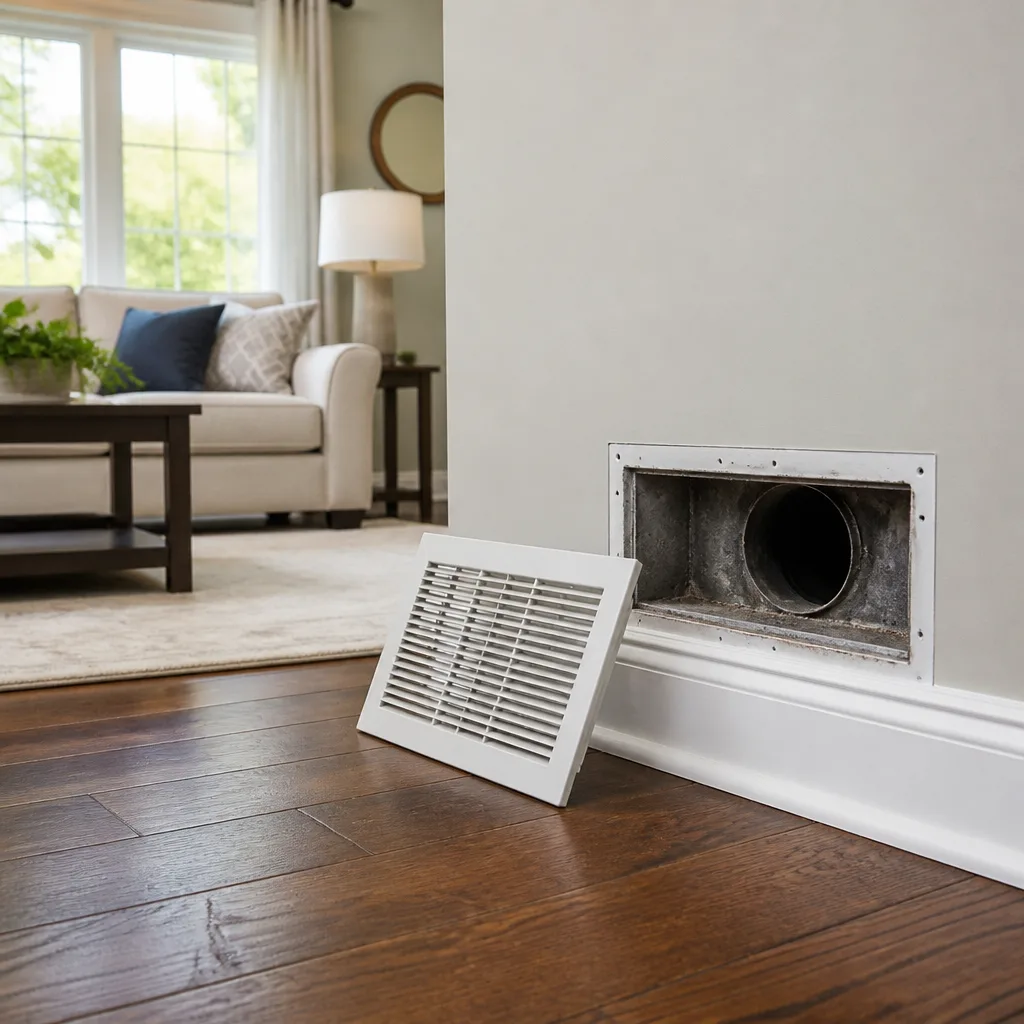 Sanitizing & deodorizing
Whole-system duct and dryer vent check with before-and-after photos - you see exactly what came out of your vents
That "$99 whole-house special" is a bait ad - the real number appears once they are in your hallway, or the "clean" is a shop-vac at the register. We photograph the inside of your ducts before and after instead.
Air Duct Cleaning Warning Signs: A Lake Elsinore Homeowner’s Reference Guide
Here’s the problem with most “air duct cleaning warning signs” lists: they treat every symptom as if it means the same thing. Dust on a register and dust blowing out of a register are two different failures happening in two different places. One is cosmetic accumulation on a surface you can wipe clean. The other is active leakage, disconnection, or breakdown somewhere inside the wall, ceiling, or crawlspace. If you’re a Duct Cleaning Lake Elsinore home owner trying to figure out whether you need cleaning, repair, or both, this guide separates the signals so you know exactly which problem you’re looking at and what response it actually calls for. Lake Elsinore’s particular mix of desert dust, wildfire ash, hard water, and older housing stock makes this distinction more important here than in most Southern California communities.
Quick Answer
Air duct cleaning warning signs in Lake Elsinore generally fall into three categories: visual debris that’s actively discharging from registers, airflow changes that indicate a blockage or disconnection inside the duct run, and odor patterns that point to biological growth or combustion residue. If you see dust accumulating on the outside of a grille, that’s surface settling and may just need wiping. If you see fine gray powder, visible debris trails, or smell something persistent that doesn’t match cooking or cleaning, the duct system itself needs professional assessment before any Air Duct Cleaning services decision gets made.
Styles & brands we work with
- Whole-home duct cleaning
- Dryer vent cleaning
- Camera inspection
- Sanitizing & deodorizing
Table of Contents
- Surface Dust vs. Active Discharge: Reading Your Registers
- Airflow Imbalance: When Rooms Won’t Cool Evenly
- Odor Patterns: Biological Growth vs. Combustion Byproducts
- Lake Elsinore’s Wildfire Ash Problem: The White Powder Signal
- When Inspection Must Precede Cleaning
- Renovation Dust: The Hidden Variable in Older Lake Elsinore Homes
- The Dryer Vent Warning Sign Most People Ignore
- Common Mistakes to Avoid
- When to Call a Professional
- Frequently Asked Questions
Surface Dust vs. Active Discharge: Reading Your Registers
Stand in front of any supply register in your Lake Elsinore home and look closely. If you see a thin, even film of dust clinging to the grille fins and surrounding drywall, that’s normal settling. Every home in Southern California accumulates airborne particulates, and registers are static surfaces where gravity does its work. This kind of dust wipes away with a damp cloth and doesn’t return for weeks. It tells you almost nothing about the inside of your ducts.
Now look for something different: dust that appears as fine streaks, trails, or smudges radiating away from the register opening, as if something pushed it there under pressure. In our experience, this pattern means the air stream itself is carrying debris. The inside of the duct run has loose particulate that’s being blown out during every cycle. This is the difference between a dirty grille and a dirty system. The grille is a flat surface you can clean from the outside. The system requires contact cleaning on the interior walls.
This is where the method distinction matters. Air-only duct cleaning methods, the kind that rely on high-velocity air movement to “blow” ducts clean, often leave behind the exact debris that creates streaking in the first place. The debris is adhered to duct walls by static charge, humidity, and the natural tackiness of lint and dust. Rotobrush rotary contact-cleaning systems exist for this reason: rotating brushes physically dislodge material from the duct surface before extraction pulls it out. If streaking returns within weeks of an air-only cleaning, the cleaning didn’t complete the job.
One more register signal worth watching: visible debris you can see without removing the grille. Shine a flashlight through the fins at a shallow angle. If you spot what looks like construction dust, sand, pet hair clumps, or flaking material inside the register boot, the duct interior needs attention. Lake Elsinore homes near open land and the Ortega foothills collect far more wind-blown particulate than coastal properties, so this check matters year-round, not just after an event.
Airflow Imbalance: When Rooms Won’t Cool Evenly
Why does one bedroom in your Lake Elsinore home stay ten degrees warmer than the rest of the house all summer? The standard answer is “dirty ducts,” and sometimes that’s true. But airflow imbalance is actually a diagnostic signal that can point to three distinct problems, only one of which is solved by cleaning.
The first is obstruction. A duct run partially collapsed, or full of decades of compacted debris, flows less air. The room it serves never quite reaches the thermostat temperature. The second is disconnection. In older Lake Elsinore homes, many built before 1990, duct sections that were joined with tape or basic connectors can separate over time. When a section pulls apart inside a wall or attic, the conditioned air never reaches the room at all. It just empties into a void. The third is design or sizing, which was a problem from day one and won’t ever respond to cleaning alone.
Here’s the tell that separates obstruction from disconnection: register temperature. Put your hand over the register in the warm room. If the air coming out is strong but warm, you have a disconnection or leak somewhere upstream and you’re feeling blended air. If the airflow is weak, you have an obstruction or a crushed section. Cleaning fixes the second scenario. It does nothing for the first. An Air Duct Repair in Lake Elsinore call addresses a leak or separation, and the fix typically means re-securing joints or replacing damaged sections.
We’ve walked into more than a few Lake Elsinore homes where the homeowner had already paid for duct cleaning to fix a “weak room,” only to discover the real problem was a disconnected boot behind the drywall. The cleaning didn’t harm anything, but it didn’t solve the temperature problem. That’s why a visual inspection before cleaning matters when the symptom is airflow rather than visible debris.
Odor Patterns: Biological Growth vs. Combustion Byproducts
Odors coming from your vents fall into three main categories, and each one points to a completely different problem requiring a different response. Learning to distinguish them saves you time and money.
Musty, damp, or earthy odors indicate biological activity. This means mold, mildew, or bacterial growth somewhere in the system, usually in the evaporator coil area or in a duct section that’s accumulated moisture. In Lake Elsinore, where summer humidity can spike during monsoonal patterns and AC runs continuously for months, condensation inside ducts creates the exact environment biological growth needs. This is not a cleaning-as-usual situation. This is a situation where you identify the moisture source first, then clean and treat. Cleaning without solving the moisture problem just resets the clock for regrowth.
Oily, acrid, or stale combustion smells signal a different problem entirely. These can come from a cracked heat exchanger in a gas furnace, a blocked flue, or residue from previous occupants who smoked indoors for years. The cigarette residue version is sticky, brown-yellow tar that coats duct walls and requires mechanical agitation to remove. The heat exchanger version is a safety concern that requires an HVAC technician before any duct work happens. We always flag this distinction on estimates: if an odor smells like something burned or is burning, the furnace gets checked first.
Animal-related odors are a Lake Elsinore reality, especially in homes near the foothills and open preserves where rodents seek warmth in cold snaps. A strong ammonia or urine smell concentrated in one area of the house often means rodent activity inside a duct run or in an attic adjacent to the duct system. This requires removal, sanitation, and then repair of whatever entry point allowed the animal access. Cleaning alone leaves the smell because the source and the contamination are still there.
None of these odor patterns is treated the same way, and none of them is well-served by a low-cost “blow-and-go” duct cleaning. The response has to match the signal.
Lake Elsinore’s Wildfire Ash Problem: The White Powder Signal
Here’s a warning sign that hardly any national duct cleaning guide covers, but it’s one of the most common things we see at Air Duct Cleaning in Lake Elsinore after a fire season event. You notice a fine white, gray, or pale brown powder settling near your supply registers, often within days of a Santa Ana wind event or a nearby wildfire that pushed smoke and ash through the region.
What you’re looking at is ash infiltration. The particles are small enough to bypass a standard fiberglass filter, especially an older one that’s already loaded with trapped dust. They travel through the return-air path, through the blower, and through the supply trunk, then exit through your registers. The powder near the register is just the visible fraction. For every particle you can see sitting on the floor, there’s a fine film coating the inside surfaces of the duct run itself.
Ash is not ordinary household dust. It’s chemically reactive, slightly abrasive, and can carry residues that irritate respiratory tissue. For a household member with asthma or allergies, a duct system carrying post-fire ash is a meaningful air quality problem. The standard response, unfortunately, is to wipe the powder from surfaces and change the filter. That handles what’s visible. It does nothing for the duct interior.
A post-ash-event duct cleaning generally requires mechanical agitation followed by HEPA-grade extraction. We use Nikro and Abatement Technologies extraction equipment on these jobs, the same class of equipment used in professional remediation settings, because the goal is capture, not just removal. Disturbing ash-rich debris with air movement alone just pushes the finest fraction back into the living space. The extraction step is where the job actually succeeds or fails.
When Inspection Must Precede Cleaning
Most homeowners assume the sequence is: see dust, call cleaning company, get clean ducts. But there are warning signs where cleaning without prior assessment is actively the wrong move. Here’s when inspection has to come first.
- You see evidence of moisture. Water stains on ceiling drywall near registers, rust-colored staining inside the register boot, or a persistent musty odor. Cleaning a wet or recently wet duct system can spread biological contamination through the entire run if the moisture source hasn’t been identified and addressed. Inspection finds the leak or condensation point first.
- You suspect disconnections or collapse. One room with dramatically weak airflow despite a clean filter and running system. If a duct section has separated or collapsed, running aggressive cleaning equipment through it can worsen the damage. The section needs to be located and evaluated before any tools go in.
- You have rodent activity. Droppings near the air handler, chewing sounds in walls, or ammonia odor from a register. Inspection confirms the extent of contamination and identifies the entry point. Then you remove, sanitize, repair, and finally clean.
- Your ducts are original to a pre-1980 home. Older flex duct and metal duct with degraded interior lining can be fragile. Aggressive contact cleaning on brittle material can tear liners. A quick visual inspection determines whether the system can handle rotary brush cleaning or needs a gentler approach.
- The odor is combustion-related. If anything smells like burning or like something electrical, stop. The furnace and heat exchanger get inspected before anyone touches ductwork. This is a safety sequence, not a preference.
This is also why we built repair into our service model. When inspection surfaces a disconnection or a crushed section, fixing it right then solves the problem. We repair what we find, no second appointment, no separate contractor. That only works if the inspection happens before the cleaning, not after.
Renovation Dust: The Hidden Variable in Older Lake Elsinore Homes
Lake Elsinore’s housing stock spans decades, and a large share of it predates modern construction standards for dust containment during remodeling. If you’ve recently had drywall work, flooring replacement, kitchen or bath renovation, or even just a large painting project, your duct system took on a load of construction particulate that your HVAC system was never designed to handle.
Here’s what happens. During renovation, fine gypsum dust, sawdust, and concrete particulate become airborne. If the system ran at all during the project, which it usually does when contractors work in a conditioned space, the return vents pulled that dust into the duct system. Gypsum dust is especially problematic: it’s fine enough to pass through most filters, slightly alkaline, and it holds static charge well. It coats the inside of duct walls, accumulates on coil fins, and reduces both air quality and system efficiency.
The warning sign here isn’t just dust near registers. It’s a peculiar quality of dust: fine, uniform, white or pale gray, and persistent across many surfaces in the home for weeks after the project wrapped. It’s also an HVAC performance signal: reduced airflow from the coil being coated in what’s effectively a layer of plaster.
Post-renovation duct cleaning in Lake Elsinore is not a “maybe later” item. The dust has no way to leave the system on its own. Every cycle pushes a small amount back into the home and continues coating the coil. The longer it sits, the more tightly it adheres, and the harder it is to remove. Contact cleaning with rotary brushes handles this better than vacuum-only approaches because the dust has already compacted against the surfaces.
If you’re in a two-story home in a development like Tuscany Hills or in one of the older neighborhoods near the lake proper, and you’ve just finished drywall or tile work, this warning sign applies to you specifically. The dust didn’t ventilate out. It stayed.
The Dryer Vent Warning Sign Most People Ignore
Your dryer vent is technically separate from your HVAC duct system, but it belongs in any honest discussion of residential duct warning signs because the failure mode is different and substantially more dangerous. Dryer Vent Cleaning in Lake Elsinore is a dedicated service for a reason that has nothing to do with air quality: lint buildup in dryer exhaust runs is a documented leading cause of residential fires.
The warning signs are easy to spot if you know to look. Your dryer takes two or three cycles to dry a load that used to dry in one. The laundry room gets noticeably humid while the dryer runs. The outside vent flap doesn’t open fully or at all during operation. The exterior vent cover has lint accumulating around it. Each of these suggests restricted airflow, and restricted airflow means two things: your dryer works harder and runs hotter, and the lint that should have been expelled is building up somewhere you can’t see.
Lake Elsinore homes have a variety of dryer vent configurations. Some vent short distances to an exterior wall. Others run up through walls and terminate at the roof, a path that collects more lint and is far harder to clean from ground level. Longer runs with more bends accumulate faster and clean less thoroughly with air-only methods. The lint packed into an elbow joint isn’t fluffy; it’s compacted into a felt-like mat by heat and moisture. Removing it requires mechanical agitation. The same contact-cleaning principle that applies to HVAC ducts applies here, with the stakes raised by fire risk.
Our position on dryer vent maintenance is simple: dryer vent cleaning isn’t optional maintenance, it’s fire prevention. If you’re seeing any of the four warning signs above, the vent needs attention now, not at the next seasonal checkup.
Common Mistakes to Avoid
- Wiping the register and calling it done. Surface accumulation on the grille face is a housekeeping issue. Debris inside the register boot and duct run is a system problem. Wiping the grille removes the visible sign without touching the actual condition.
- Treating a weak room as a cleaning problem. In Lake Elsinore’s older homes, weak airflow in a single room often means a disconnected or crushed duct section, not a dirty one. Cleaning won’t fix mechanical separation.
- Using a low-cost coupon cleaning after a wildfire season. Ash infiltration demands HEPA-grade extraction. Standard air-cleaning methods push the finest, most irritating particles back into the living space rather than capturing them.
- Ignoring a new or changed odor. A persistent musty smell means moisture, and moisture means biological growth. It will not resolve on its own, and delaying response gives the problem time to spread through the system.
- Running your HVAC during and after drywall work without cleaning afterward. The dust-loading on your coil and duct interior continues affecting air quality and system efficiency indefinitely until it’s physically removed.
- Assuming the cheapest quote does the same job. Air-only or vacuum-only duct cleaning cannot remove debris that’s adhered to duct walls. Contact cleaning costs more because it does more. If the price is too good to be true, the method is probably too weak to work.
- Delaying dryer vent service because the dryer “still works.” Lint restriction builds slowly. By the time drying performance drops noticeably, the vent may already carry a meaningful fire load.
When to Call a Professional
You should call a professional duct service when you see any combination of the signals in this guide: active debris discharge from registers that returns after surface cleaning, persistent airflow imbalance in specific rooms, odor that doesn’t resolve after you eliminate obvious household sources, fine white or gray powder settling after a fire event, post-renovation dust that won’t stop appearing, or dryer performance that’s clearly worse than it used to be. If you’re unsure whether the signal points to cleaning or repair, our Choosing the Right Air Duct Cleaning Brand: A Buyer’s Guide for Lake Elsinore and the assessment itself should identify that. Duct Cleaning Lake Elsinore offers free estimates in Lake Elsinore, call (855) 341-9943.
Frequently Asked Questions
You need professional cleaning if you see active debris discharging from supply registers, find visible dust or debris inside the register boot, smell persistent musty or biological odors from the system, or notice fine powder settling near registers after wildfire or wind events in Lake Elsinore. Surface dust on the outside of grilles that wipes away and doesn’t return is not a cleaning signal.
Air duct cleaning in Lake Elsinore typically runs on a whole-system flat rate rather than a per-vent price, because the number of vents in a home doesn’t determine the actual work involved in contacting and extracting debris the full length of the trunk and branch runs. If a quote is per-vent with a low teaser number, treat it as a red flag. The final price usually lands far higher once the van arrives. Call (855) 341-9943 for a flat system quote, estimates are free.
The price difference almost always comes down to method. Air-only or vacuum-only cleaning is faster, requires less expensive equipment, and leaves adhered debris behind. Contact cleaning with rotary brushes plus HEPA-grade extraction takes longer and uses costlier equipment, and the result is actual debris removal rather than surface disturbance. A low price usually means the job isn’t the same job.
Ask to see before-and-after photos of your own duct interiors. Reputable contact-cleaning services capture images during the assessment and again after completion. If a company can’t or won’t show you what the inside of your ducts looked like before cleaning, you have no way to verify the work. We take photos on every job, before and after.
For most Lake Elsinore homes, every three to five years is a reasonable interval under normal conditions. You should shorten that window if you have pets that shed heavily, a household member with allergies or asthma, recent renovation work, or you’ve experienced a wildfire event close enough to bring ash into the home. No home needs semi-annual cleaning; anyone selling that is selling appointments, not air quality.
Yes, in one specific way: the region’s exposure to Santa Ana wind events and wildfire smoke means ash infiltration is a routine, recurring problem that coastal-adjacent communities deal with far less. Lake Elsinore also has a large share of older housing stock, which brings duct disconnection and degradation issues that newer homes don’t present. Any duct cleaning here needs to account for both.
The Bottom Line
Dust on your registers is not the same thing as dust coming out of your registers. The first is a surface you can clean. The second is a system that needs attention. The same separation applies to airflow problems: weak airflow in one room signals obstruction or disconnection, not necessarily dirt. And odors always carry specifics: biological smells mean moisture, combustion smells mean safety checks first. Lake Elsinore adds its own variables, wildfire ash and older housing stock being the two that show up most often in our work. Learn to read the signals accurately – our more guides & resources can help – and you’ll know whether you’re looking at a cleaning job, a repair job, or both. That distinction, made before anyone quotes a price, is what protects you from paying for the wrong service.
Written by the team at Duct Cleaning Lake Elsinore, serving Lake Elsinore since 2014.
See the difference
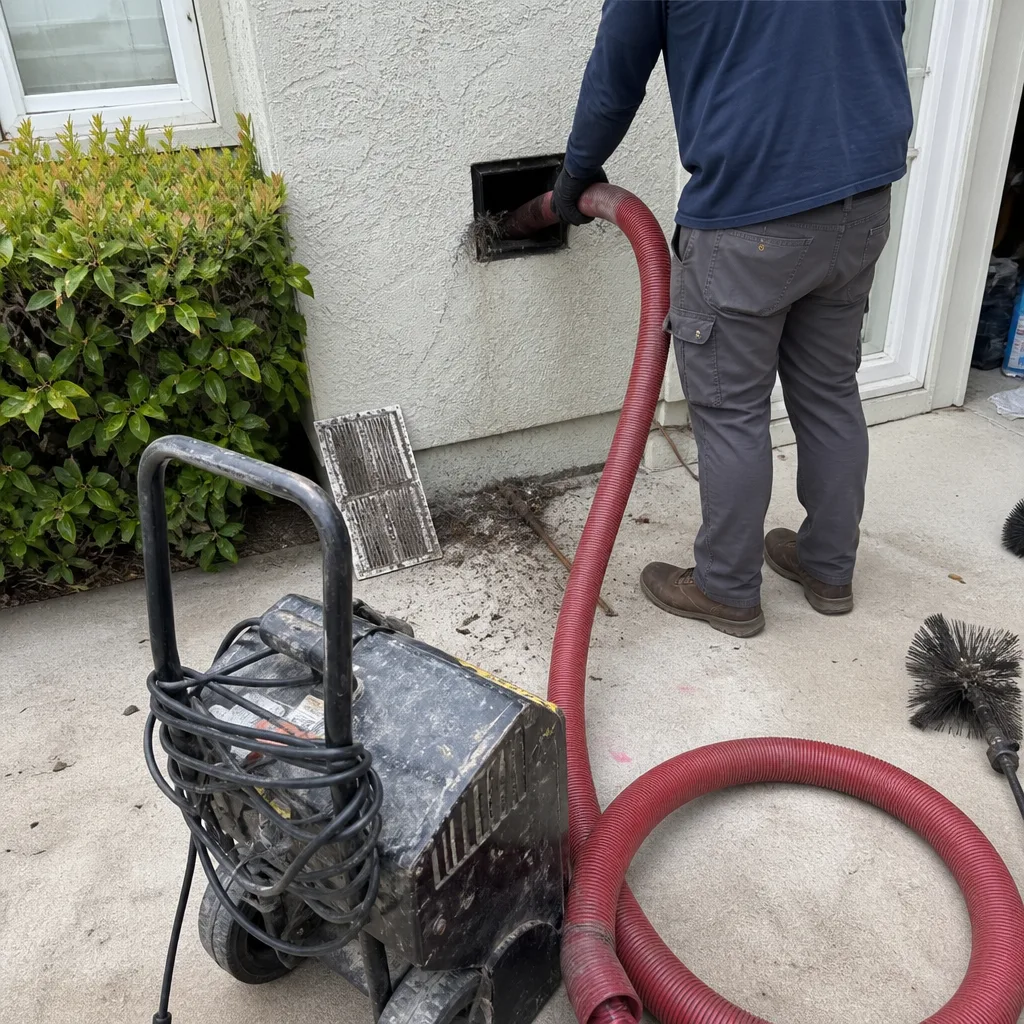 Before
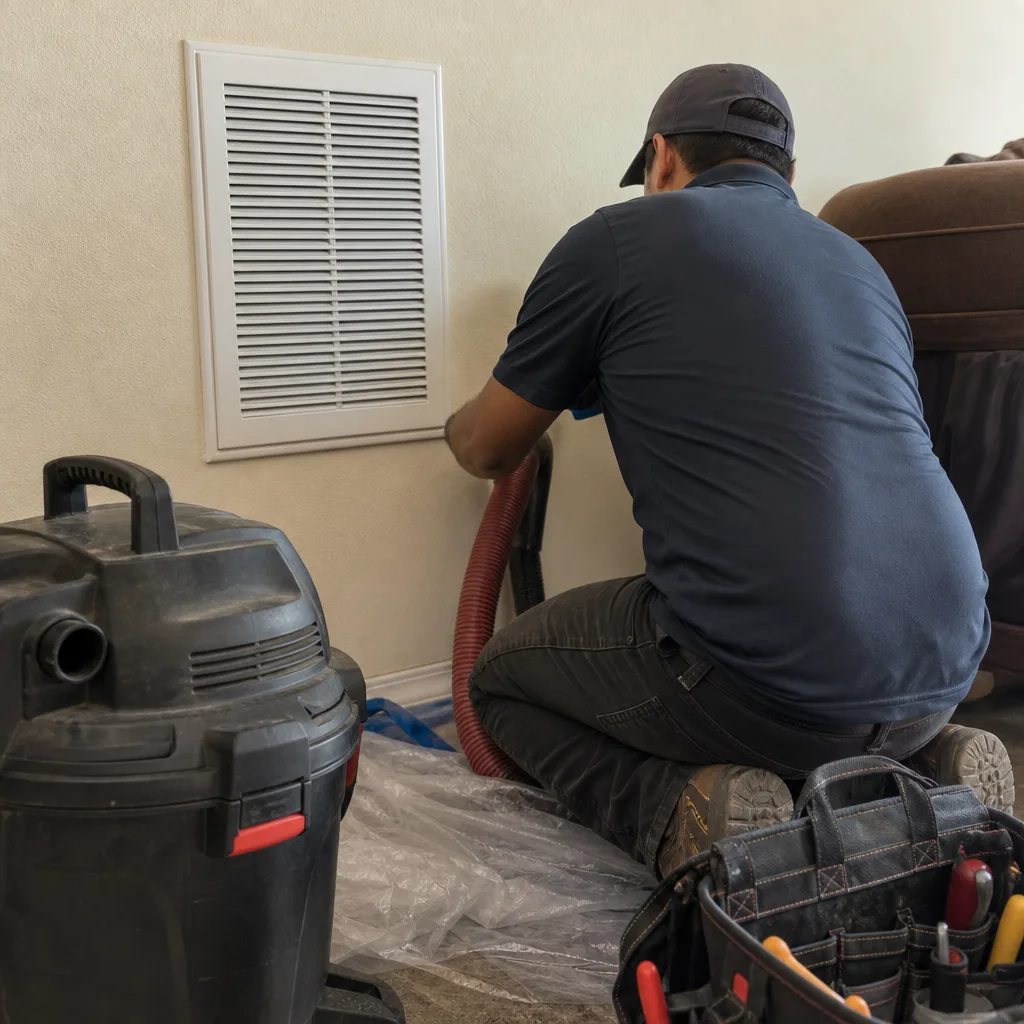 After
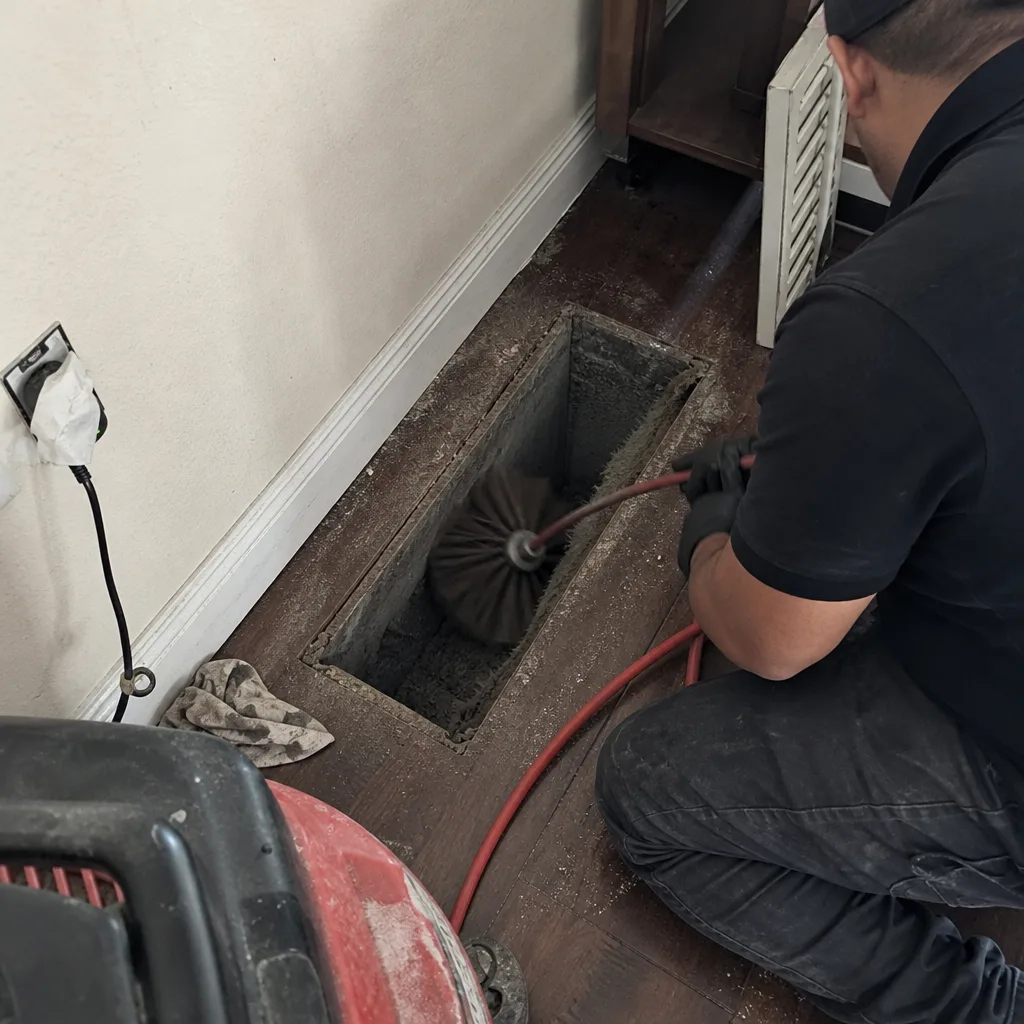 Before
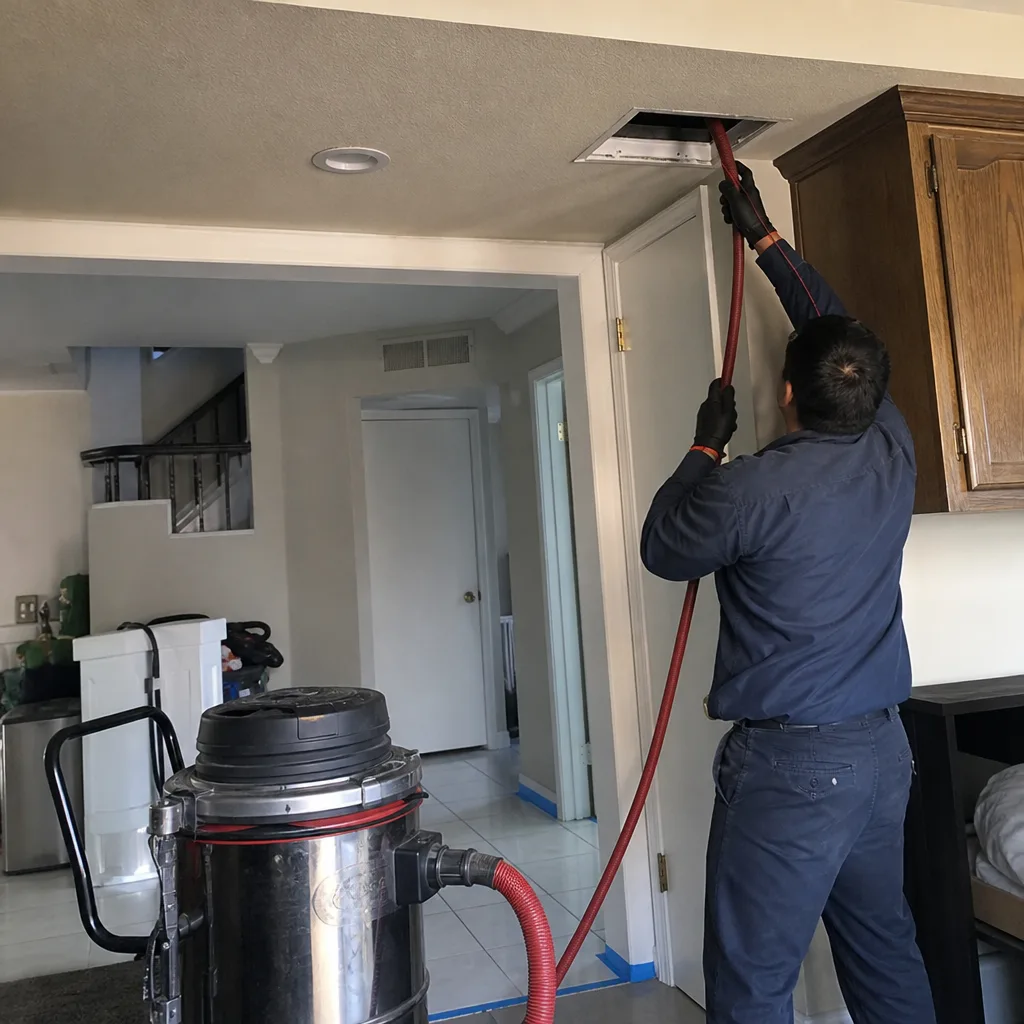 After
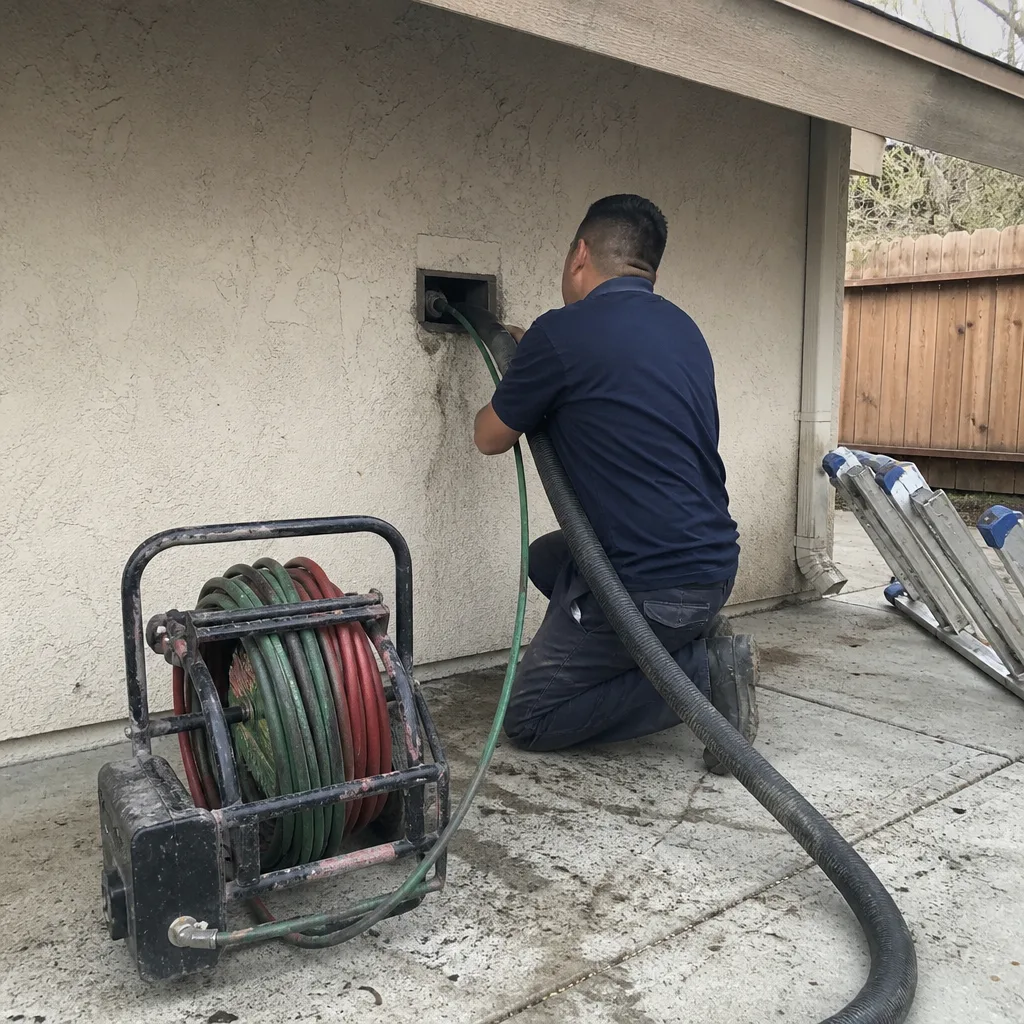 Before
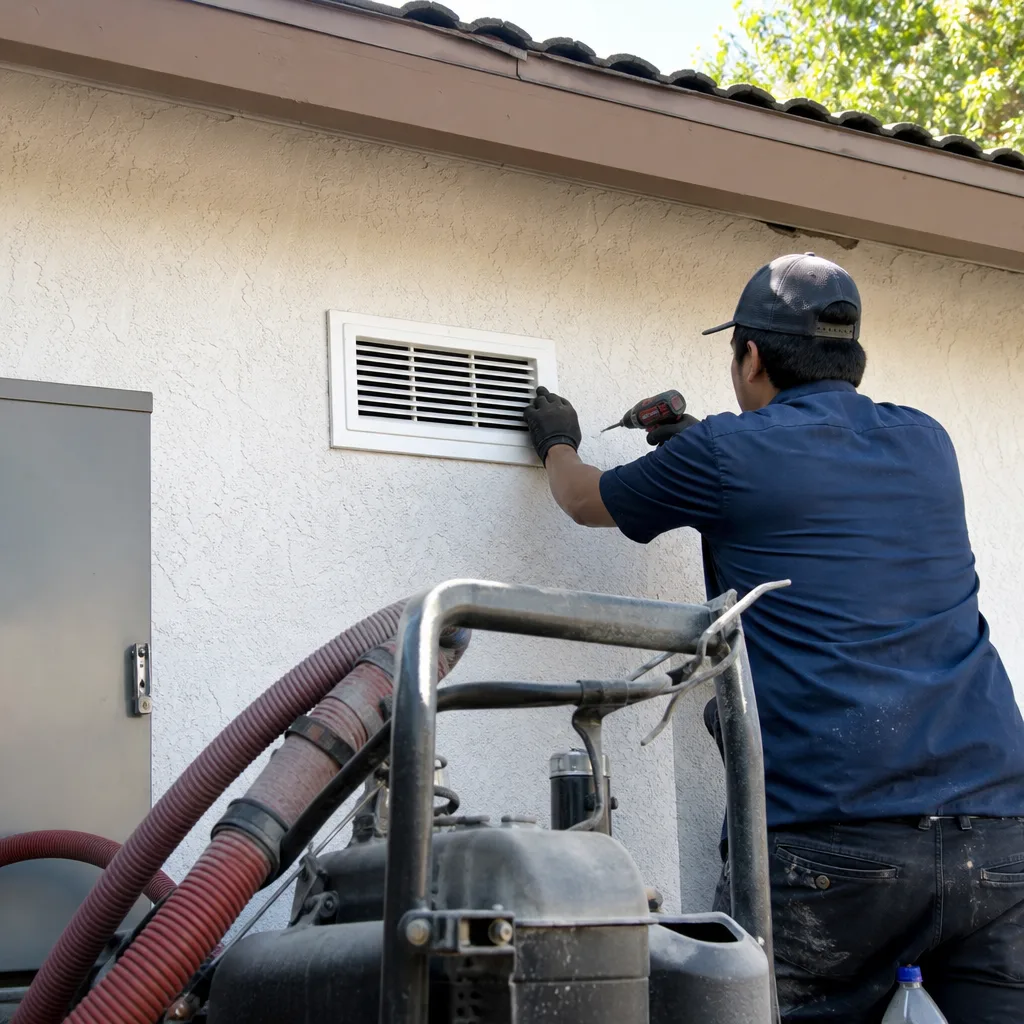 After